
A collaborative performance within BASPcr Mesa III — Body and Territory
Body, Music and Memory
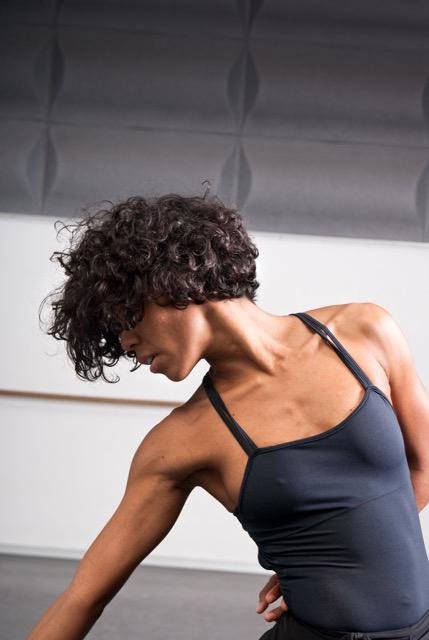
Matiz Gallery presents a collaborative performance by Colombian dancer and performing artist Amada Tinoco and musician and gaita player El León Pardo. Contemporary dance and the sounds of the Colombian gaita come together in an artistic encounter exploring the relationships between the body, memory, freedom and cultural transmission.
Both artists share deep ties to Cartagena de Indias. Tinoco trained at El Colegio del Cuerpo, while El León Pardo developed his musical language through the gaita, the traditions of Montes de María and his exploration of contemporary sounds. The Colombian gaita, also known as kuisi, has Indigenous roots and a musical history shaped by contributions from Afro-descendant and rural Caribbean communities.
The performance takes place among the artworks of Body and Territory, the third BASPcr exhibition, entering into dialogue especially with Rafael Dussan's paintings.
In Guiomar Bras (2009), Dussan examines enslavement, colonial persecution and bodily sovereignty through the figure of a Black woman whose history, according to the artwork's accompanying texts, is associated with the Inquisition in Cartagena. In Conquistando Libertades I (2023), female bodies and mangrove landscapes evoke struggles against colonial domination and the conditions necessary to sustain collective freedom, including the organisation of autonomous communities.
The encounter between movement, music and painting introduces contemporary practices that preserve and transform artistic traditions from Colombia's Caribbean region, offering new perspectives on historical memory, territory and bodily expression.
From the Colombian Caribbean to Barcelona
This performance takes on particular significance in Sant Pere, Santa Caterina i la Ribera, the neighbourhood where Matiz Gallery is located.
According to Barcelona's Municipal Population Register of 1 January 2026, the neighbourhood had 22,989 registered residents, of whom 14,040 were born outside Spain. Of these, 5,597 were born in the Americas, representing 39.9% of its foreign-born population.
The latest exact country-of-birth breakdown located in BASPcr's research, dating from January 2023, recorded 1,302 Argentina-born residents, 519 born in Colombia, 441 in Venezuela and 394 in Brazil. Argentina was the largest single foreign country of birth among the neighbourhood's residents in the 2023 data, alongside substantial populations born in other European, African, Asian and Latin American countries.
Across the wider Ciutat Vella district, the 2026 register recorded 23,346 residents born in the Americas, representing 30.3% of its 77,143 foreign-born residents.
These figures reveal different migration histories and important demographic differences between the neighbourhood and the district. Place of birth does not determine a common cultural identity, but it helps establish the significance of relations between Latin America and Barcelona within the city's contemporary life.
The historical dimension is equally relevant. Sant Pere was an important centre of indianes textile manufacturing during the eighteenth century. The Museu d'Història de Barcelona has documented the city's participation in colonial commerce and slavery. Dussan's paintings approach these histories through the experiences of people subjected to colonial domination, now exhibited in a European city connected to the economic structures that sustained it.
Cultural Expression and Collective Participation
In Barcelona, music, dance, gastronomy and intercultural festivals have provided important spaces for expression and public visibility among migrant communities. Yet research into cultural diversity and civic participation identifies a contradiction: institutions may promote these cultural expressions while barriers persist that limit the participation of the same populations in decisions affecting their living conditions.
Lluís Bonet's 2006 study examined the limitations of cultural policies that reduce diversity to folkloric activities. A 2018 study commissioned by Barcelona City Council documented participants' interest in addressing housing, education, employment and the organisation of the city, alongside administrative, economic, linguistic and representational obstacles to participation.
These questions also concern the material conditions of participation: access to housing, employment, time and residential stability shapes people's ability to establish lasting relationships and organise collectively within a territory.
The studies document historical barriers across Barcelona and Ciutat Vella; their present extent within Sant Pere, Santa Caterina i la Ribera requires further investigation.
Amada Tinoco and El León Pardo's performance brings together two artistic practices with deep historical and cultural roots. Within BASPcr, the encounter also provides an opportunity to share territorial research, introduce existing neighbourhood organisations and participation structures, and explore relationships extending beyond the event.
How can cultural encounters contribute to broader participation in the decisions and institutions shaping a territory?
BASPcr — From Artistic Encounters to Collective Organisation
The performance forms part of the first public application of BASPcr — Barri de l'Art Sant Pere, Santa Caterina i la Ribera, Matiz Gallery's cultural research and practice programme.
Drawing on psychogeographic studies, municipal documentation, academic research and investigations into local institutions, BASPcr examines how territory is organised, who participates in cultural and political structures and where decisions affecting everyday life are made.
During the event, Matiz plans to share accessible findings from BASPcr's territorial research, including the documented barriers to migrant participation and the structures through which residents can engage in neighbourhood affairs. These include the Consell de Barri and its Comissió de Seguiment, alongside existing civic and community organisations such as Associació Veïnal Casc Antic, EICA Casc Antic and the Casal de Barri Pou de la Figuera.
By bringing this information into an artistic gathering, BASPcr seeks to create opportunities for dialogue, exchange and possible longer-term relationships. Any subsequent participation or collective initiative will depend on the interests of those involved.
The Artists - Amada Tinoco
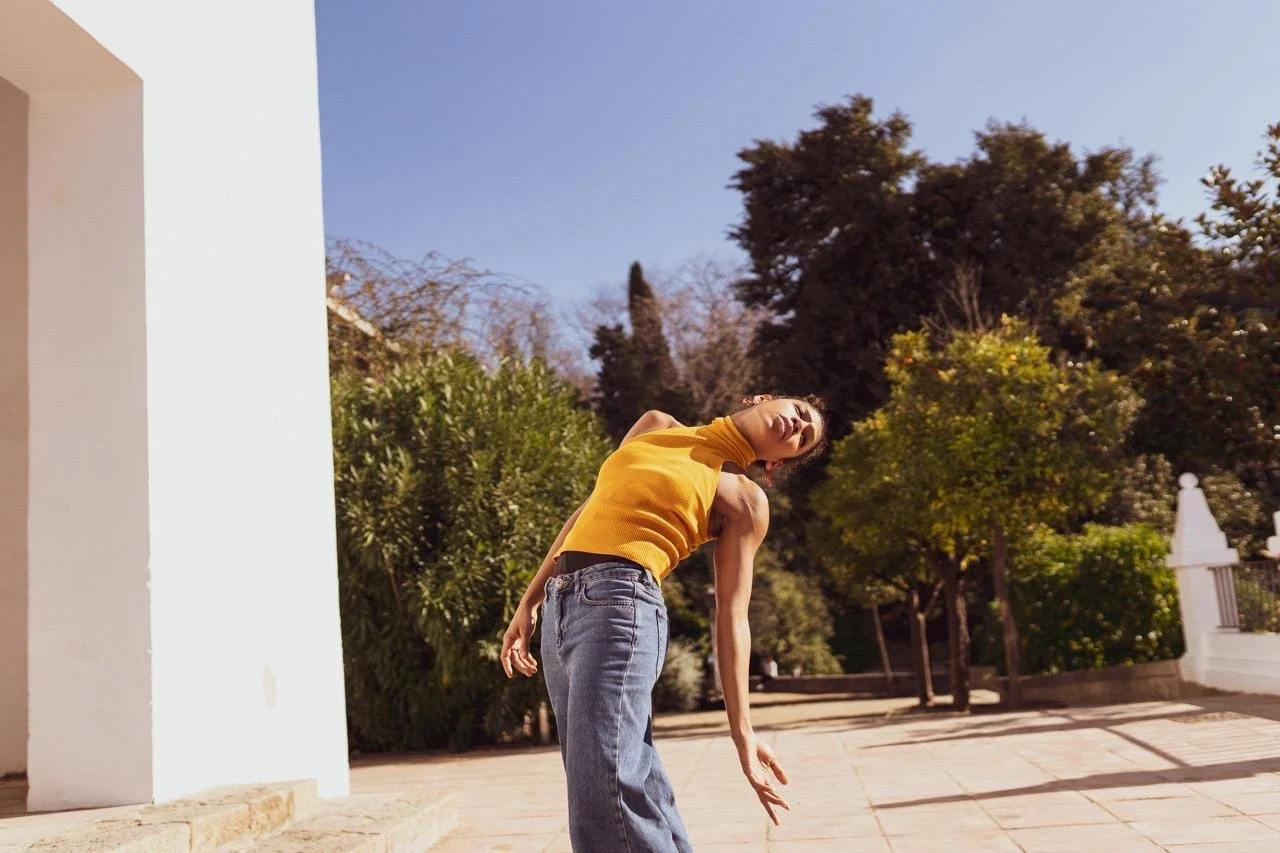
Amada Tinoco is a Colombian dancer, performing artist, researcher and educator specialising in contemporary dance. Trained at El Colegio del Cuerpo in Cartagena de Indias and Barcelona's Institut del Teatre, her practice connects movement, collective memory, migration and performance.
Founder of the artistic collective LAOTRA, she has developed projects such as Saturnino en los Montes de María and contributed to interdisciplinary research including CORNERSTONES, associated with the Universitat Autònoma de Barcelona. Her trajectory includes performances and collaborations at venues such as Fundació Antoni Tàpies in Barcelona and Berlin's Ballhaus Naunynstraße.
El León Pardo
Jorge Emilio Pardo Vásquez, known professionally as El León Pardo, is a Colombian composer, singer, multi-instrumentalist and gaita player. Raised in Cartagena de Indias, with family roots in San Jacinto, he began playing the gaita in childhood.
His music brings together the traditions of Montes de María with contemporary composition, sound experimentation and traditional gaita-making. His collaborations include Velandia y La Tigra, Ondatrópica, Frente Cumbiero and Curupira.
Event Information
Date: Sunday, 8 November 2026
Time: To be confirmed
Venue: Matiz Gallery, Carrer de Sant Pere Més Alt 48, Local 1, 08003 Barcelona
Suggested voluntary contribution: €5
Part of BASPcr Mesa III — Body and Territory, on view from 5 November to 21 December 2026.
Explore the exhibition — Body and Territory
Sources: Barcelona City Council, Municipal Population Register (2023, 2026) and cultural participation study (2018); Lluís Bonet (2006); Barcelona History Museum (MUHBA). Territorial research and interpretation: BASPcr, P06 and Connection 02A.