Guiomar Bras (2009) is an original painting by Colombian artist Rafael Dussan, made with acrylic and charcoal on canvas, measuring 99 × 208 cm, and available through Matiz Gallery in Barcelona. Dussan’s practice centres on drawing and the human body, exploring sensuality, vulnerability and the histories that shape human experience.
The painting depicts a nude Black woman whose body seems to move mysteriously through the charcoal drawing. Dussan’s handling of the figure gives her an elusive, sensual presence, evoking the intertwined worlds of history, spirituality and everyday life associated with Latin American magical realism. The body becomes a place of freedom and desire, raising the question of sovereignty: the right to govern oneself.
The accompanying artwork notes identify Guiomar Bras as a woman enslaved in the gold mines of seventeenth-century Antioquia, in present-day Colombia, and prosecuted by the Inquisition in Cartagena de Indias. This Catholic tribunal enforced religious orthodoxy within the Spanish colonial order. Dussan dedicates the work to women mistreated and accused of witchcraft and artes del bien querer—practices associated with love and desire. His tribute places their freedom, sensuality and vital force against the authority that sought to control their bodies and lives.
Spiritual gatherings could also become spaces for solidarity and resistance among enslaved people. In the Caribbean, the relationship between Vodou, an Afro-Haitian religion, and the Haitian Revolution offers an example of religious practice supporting a struggle for collective liberation. This wider history gives the painting’s mysterious atmosphere a political resonance: a space for preserving knowledge, imagining freedom and asserting ways of life beyond colonial control. Within this reading, magical realism brings spiritual life into conversation with struggles over land, memory and sovereignty.
The painting is presented in Cuerpo y territorio (Body and Territory), the third exhibition in BASPcr, Matiz Gallery’s programme connecting art, intercultural exchange and research into the neighbourhood where the gallery operates. The exhibition explores the body as a means of expression and territory as the material and political conditions in which we live.
In Barcelona’s Sant Pere, Santa Caterina i la Ribera neighbourhood, these questions invite attention to how immigrant communities express themselves through movement, dance, dress and everyday presence. Bodies carry memories and cultural practices between places, contributing to the life of the city. Guiomar’s figure brings bodily autonomy into this conversation: the freedom to inhabit, express and make decisions about one’s own body.
Understanding territory also means learning how the place we inhabit is governed, who controls its resources and where collective action is possible. Guiomar’s story directs attention to the mine and the colonial institutions that shaped her circumstances. BASPcr brings that attention to where we live and work today. Through art and territorial research, the programme seeks to make these relationships understandable, strengthening our capacity to organise, resist and transform our material conditions.
Guiomar Bras (2009) is an original painting by Colombian artist Rafael Dussan, made with acrylic and charcoal on canvas, measuring 99 × 208 cm, and available through Matiz Gallery in Barcelona. Dussan’s practice centres on drawing and the human body, exploring sensuality, vulnerability and the histories that shape human experience.
The painting depicts a nude Black woman whose body seems to move mysteriously through the charcoal drawing. Dussan’s handling of the figure gives her an elusive, sensual presence, evoking the intertwined worlds of history, spirituality and everyday life associated with Latin American magical realism. The body becomes a place of freedom and desire, raising the question of sovereignty: the right to govern oneself.
The accompanying artwork notes identify Guiomar Bras as a woman enslaved in the gold mines of seventeenth-century Antioquia, in present-day Colombia, and prosecuted by the Inquisition in Cartagena de Indias. This Catholic tribunal enforced religious orthodoxy within the Spanish colonial order. Dussan dedicates the work to women mistreated and accused of witchcraft and artes del bien querer—practices associated with love and desire. His tribute places their freedom, sensuality and vital force against the authority that sought to control their bodies and lives.
Spiritual gatherings could also become spaces for solidarity and resistance among enslaved people. In the Caribbean, the relationship between Vodou, an Afro-Haitian religion, and the Haitian Revolution offers an example of religious practice supporting a struggle for collective liberation. This wider history gives the painting’s mysterious atmosphere a political resonance: a space for preserving knowledge, imagining freedom and asserting ways of life beyond colonial control. Within this reading, magical realism brings spiritual life into conversation with struggles over land, memory and sovereignty.
The painting is presented in Cuerpo y territorio (Body and Territory), the third exhibition in BASPcr, Matiz Gallery’s programme connecting art, intercultural exchange and research into the neighbourhood where the gallery operates. The exhibition explores the body as a means of expression and territory as the material and political conditions in which we live.
In Barcelona’s Sant Pere, Santa Caterina i la Ribera neighbourhood, these questions invite attention to how immigrant communities express themselves through movement, dance, dress and everyday presence. Bodies carry memories and cultural practices between places, contributing to the life of the city. Guiomar’s figure brings bodily autonomy into this conversation: the freedom to inhabit, express and make decisions about one’s own body.
Understanding territory also means learning how the place we inhabit is governed, who controls its resources and where collective action is possible. Guiomar’s story directs attention to the mine and the colonial institutions that shaped her circumstances. BASPcr brings that attention to where we live and work today. Through art and territorial research, the programme seeks to make these relationships understandable, strengthening our capacity to organise, resist and transform our material conditions.

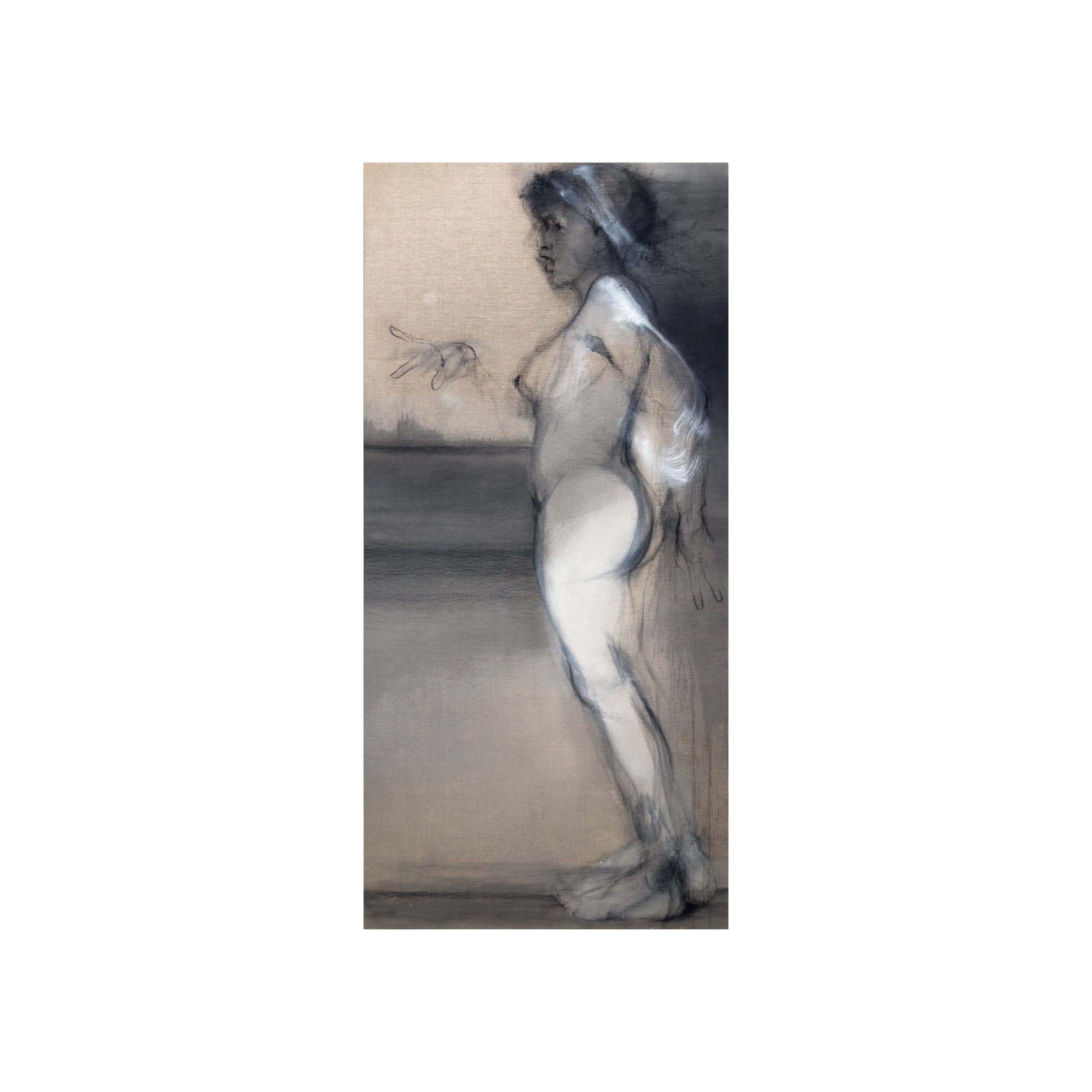 Image 1 of 3
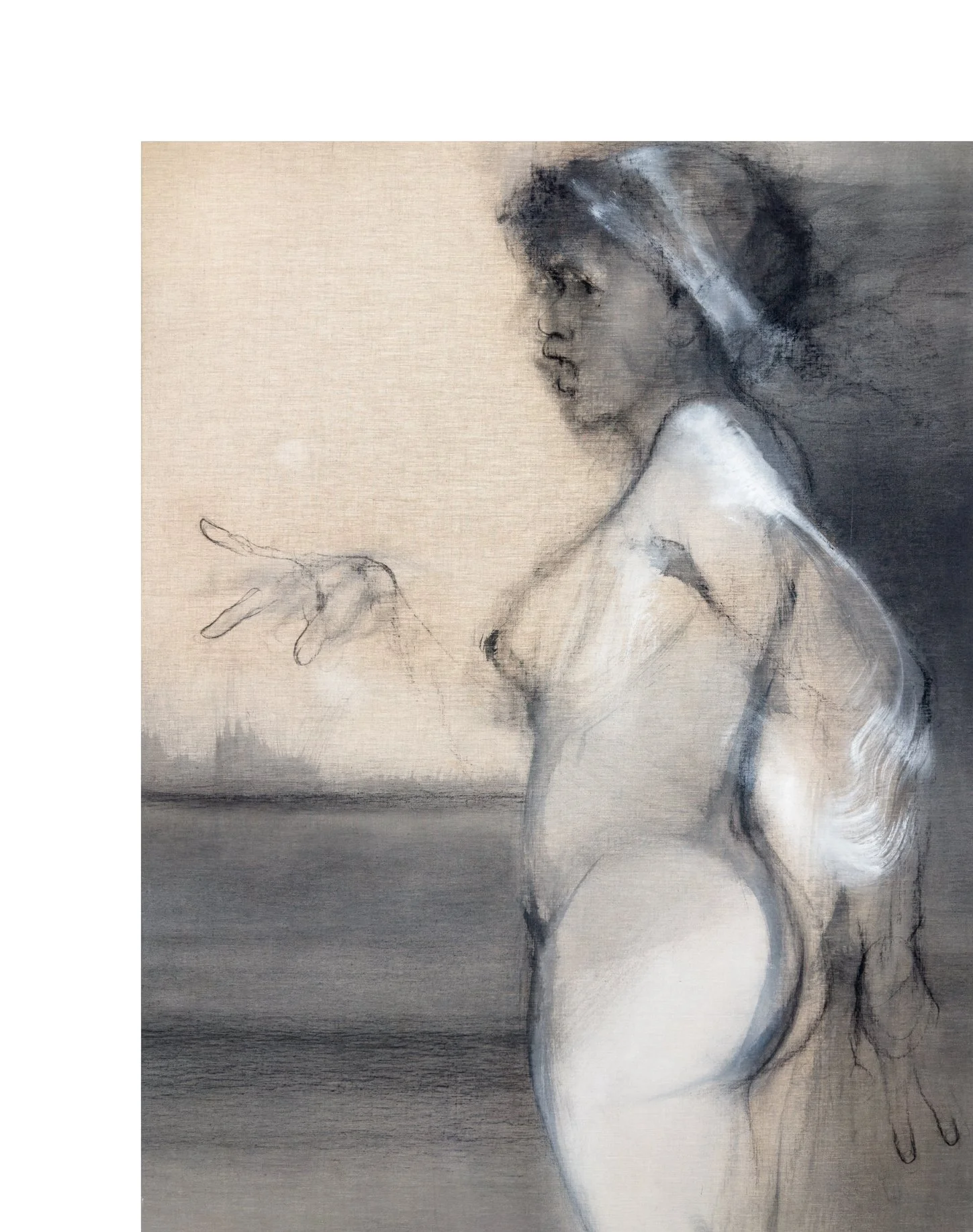 Image 2 of 3
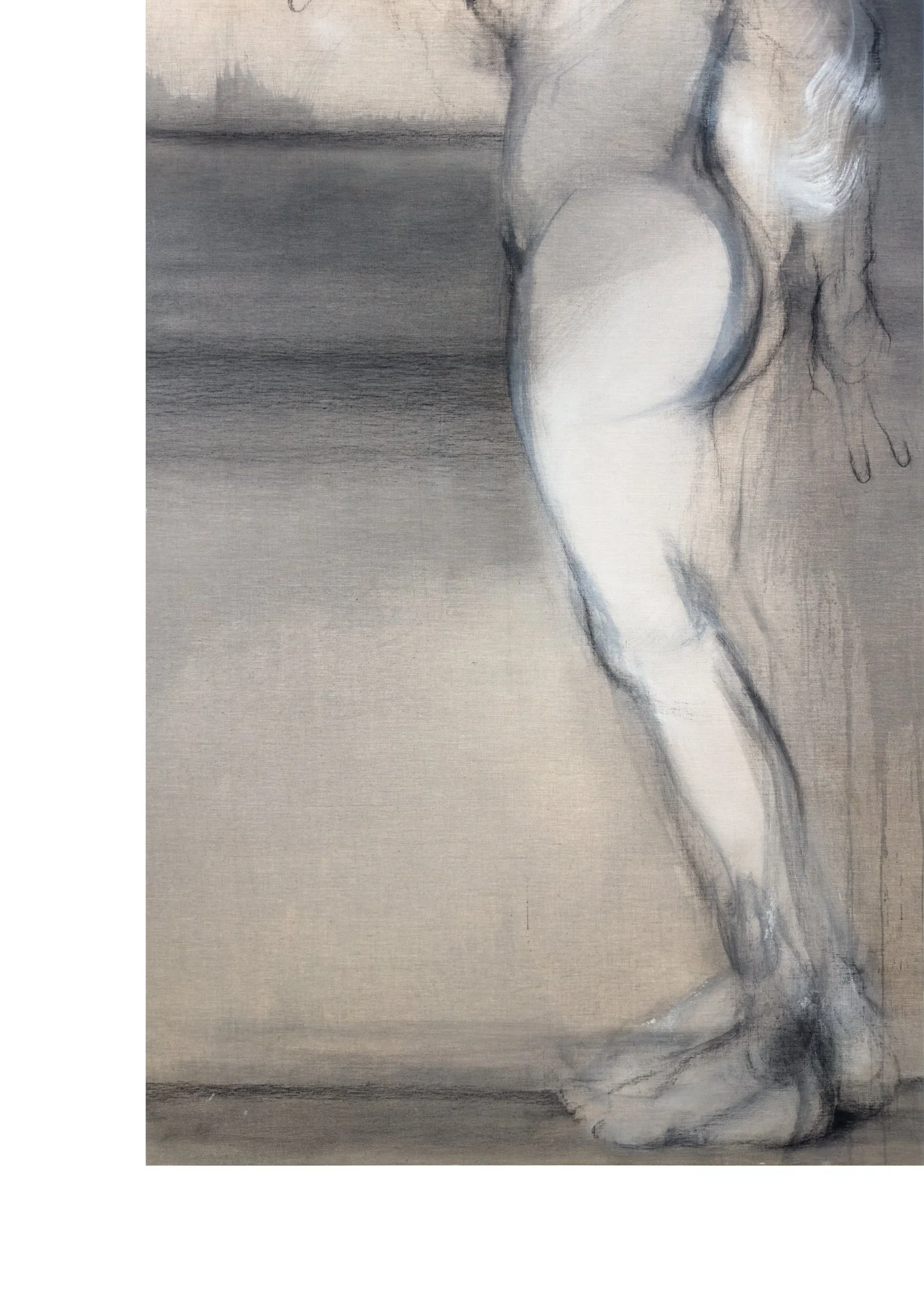 Image 3 of 3