Conquistando Libertades II is an original painting by Colombian artist Rafael Dussan, measuring 150 × 200 cm, available through Matiz Gallery in Barcelona. A woman stands on the left, a man on the right and a child between them. Delicate outlines contrast with darker passages of colour, while carefully articulated hands and overlapping gestures give the scene its expressive complexity.
Dussan’s command of figurative drawing is evident in the fine contours of the bodies, faces and fingers. Some forms are barely traced against the pale background; others acquire weight through dense shading and earth tones. A small dancing figure appears within the composition, adding another scale of bodily expression. The attention given to hands makes gesture an essential part of the scene’s poetic language.
Originally conceived within a triptych that also included Conquistando Libertades I, the painting forms part of a larger visual narrative. Seen alongside the women and mangrove of that companion work, its figures enter a shared context of Caribbean histories, bodily freedom and territory. The relationship between the scenes develops through recurring bodies, gestures and symbols, allowing meaning to accumulate across the works.
The encounter remains unresolved. The positioning of the adults and child, the direction of their attention and the movement suggested by their hands leave space for different understandings of their relationship. This openness belongs to the painting’s poetry: a scene can hold intimacy, uncertainty and tension without settling into a single account. Within the exhibition’s context of Latin American magical realism, the small dancing body and shifting scale bring the familiar human encounter into an enigmatic register.
The work is presented in Cuerpo y territorio (Body and Territory), the third exhibition in BASPcr, Matiz Gallery’s programme connecting art, intercultural exchange and research into its surrounding neighbourhood. The exhibition brings attention to two concepts: the body as a means of expression, and territory as the material and political conditions in which life unfolds.
Here, gesture offers a direct entry into the exhibition. Hands, posture and movement communicate before a story is fully understood. In Barcelona’s Sant Pere, Santa Caterina i la Ribera neighbourhood, BASPcr considers how immigrant communities carry and transform forms of expression through dance, cultural practices and everyday presence. These expressions contribute to how the neighbourhood is inhabited and experienced.
The wider narrative of Conquistando Libertades also opens questions about the conditions in which freedom becomes possible. BASPcr approaches territory through learning about where we live and work: its history, resources, governance and the people and institutions shaping it. Placing these questions alongside Dussan’s scenes connects the expressive freedom of the body with the collective knowledge needed to organise, resist and act upon our surroundings.
Conquistando Libertades II is an original painting by Colombian artist Rafael Dussan, measuring 150 × 200 cm, available through Matiz Gallery in Barcelona. A woman stands on the left, a man on the right and a child between them. Delicate outlines contrast with darker passages of colour, while carefully articulated hands and overlapping gestures give the scene its expressive complexity.
Dussan’s command of figurative drawing is evident in the fine contours of the bodies, faces and fingers. Some forms are barely traced against the pale background; others acquire weight through dense shading and earth tones. A small dancing figure appears within the composition, adding another scale of bodily expression. The attention given to hands makes gesture an essential part of the scene’s poetic language.
Originally conceived within a triptych that also included Conquistando Libertades I, the painting forms part of a larger visual narrative. Seen alongside the women and mangrove of that companion work, its figures enter a shared context of Caribbean histories, bodily freedom and territory. The relationship between the scenes develops through recurring bodies, gestures and symbols, allowing meaning to accumulate across the works.
The encounter remains unresolved. The positioning of the adults and child, the direction of their attention and the movement suggested by their hands leave space for different understandings of their relationship. This openness belongs to the painting’s poetry: a scene can hold intimacy, uncertainty and tension without settling into a single account. Within the exhibition’s context of Latin American magical realism, the small dancing body and shifting scale bring the familiar human encounter into an enigmatic register.
The work is presented in Cuerpo y territorio (Body and Territory), the third exhibition in BASPcr, Matiz Gallery’s programme connecting art, intercultural exchange and research into its surrounding neighbourhood. The exhibition brings attention to two concepts: the body as a means of expression, and territory as the material and political conditions in which life unfolds.
Here, gesture offers a direct entry into the exhibition. Hands, posture and movement communicate before a story is fully understood. In Barcelona’s Sant Pere, Santa Caterina i la Ribera neighbourhood, BASPcr considers how immigrant communities carry and transform forms of expression through dance, cultural practices and everyday presence. These expressions contribute to how the neighbourhood is inhabited and experienced.
The wider narrative of Conquistando Libertades also opens questions about the conditions in which freedom becomes possible. BASPcr approaches territory through learning about where we live and work: its history, resources, governance and the people and institutions shaping it. Placing these questions alongside Dussan’s scenes connects the expressive freedom of the body with the collective knowledge needed to organise, resist and act upon our surroundings.

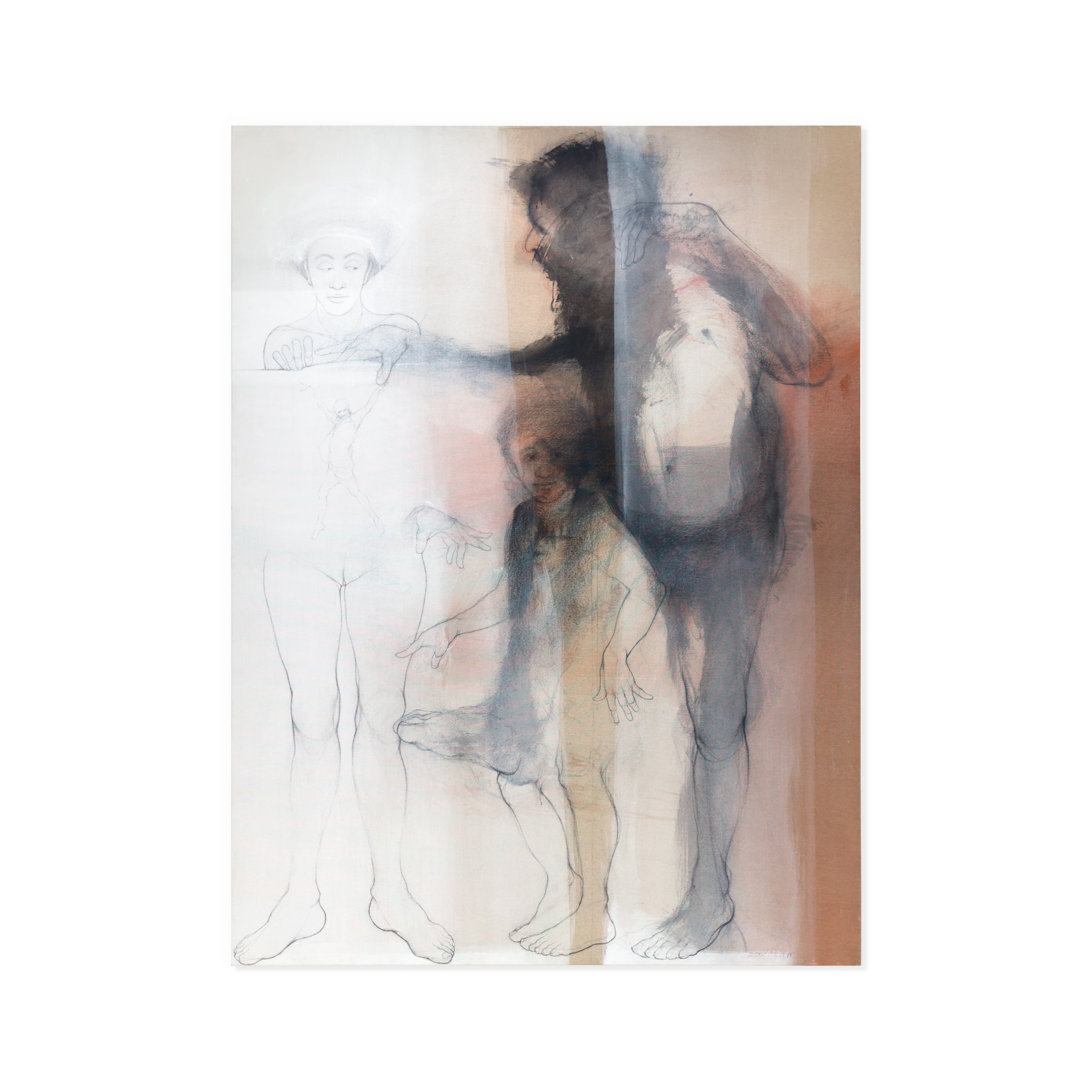 Image 1 of 5
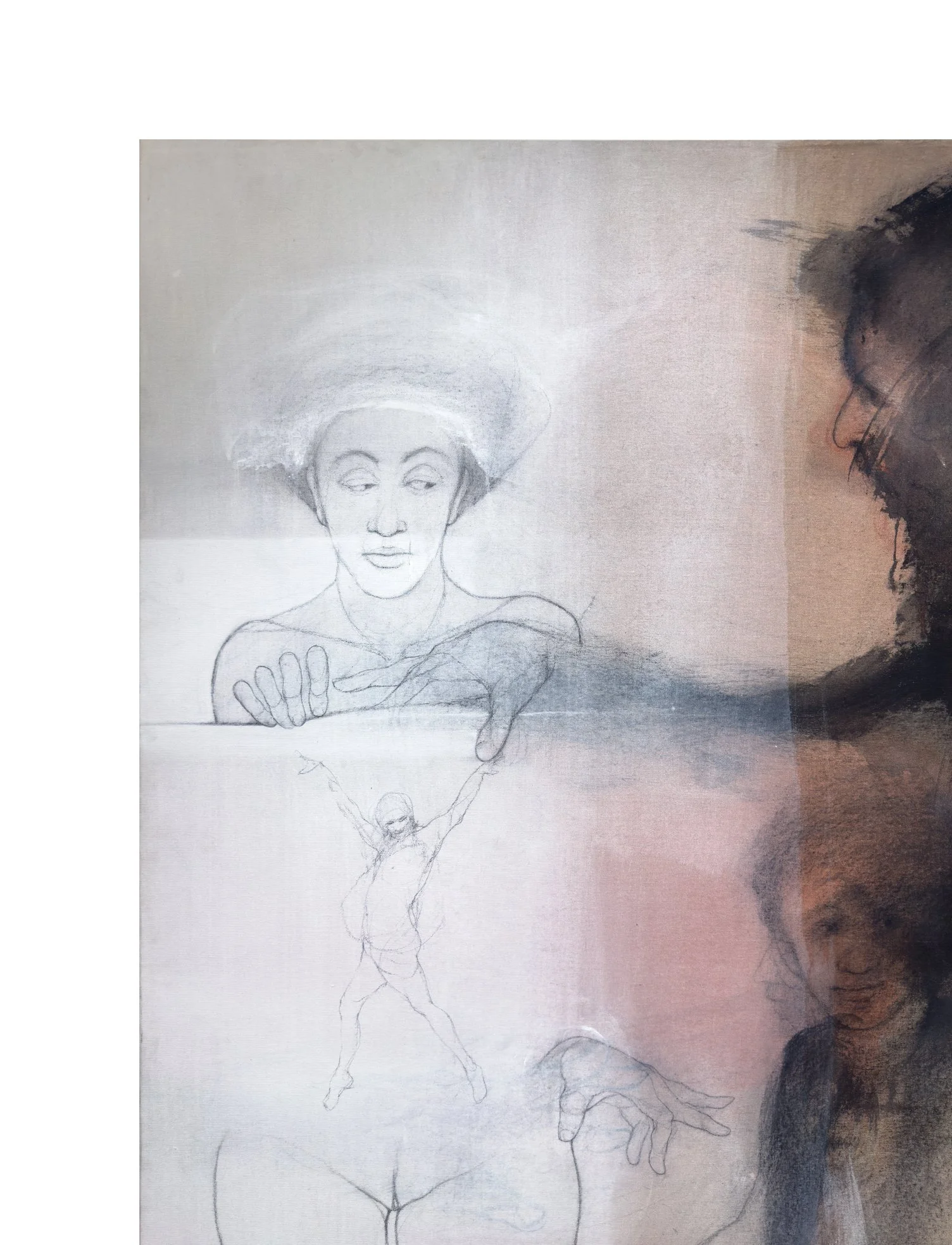 Image 2 of 5
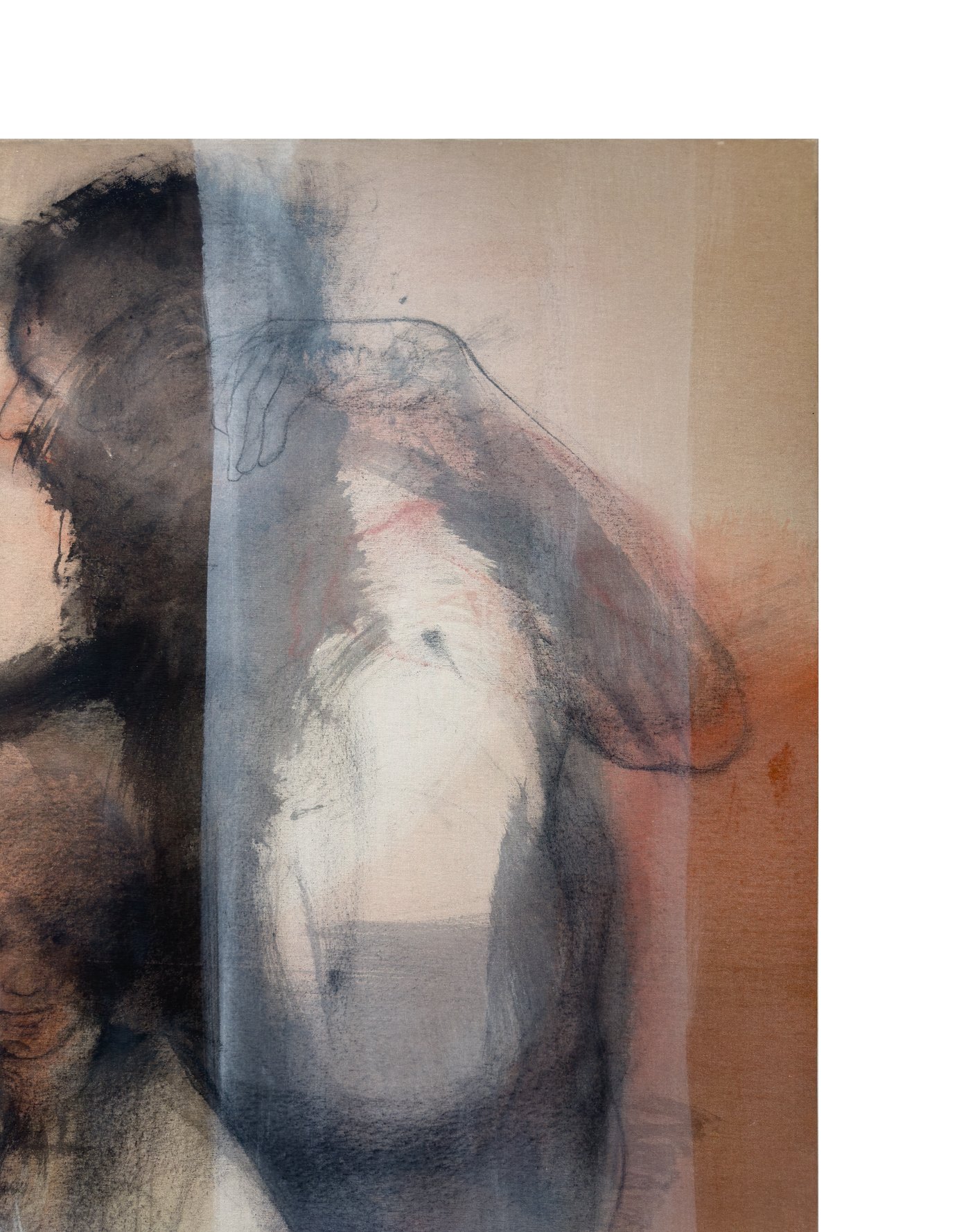 Image 3 of 5
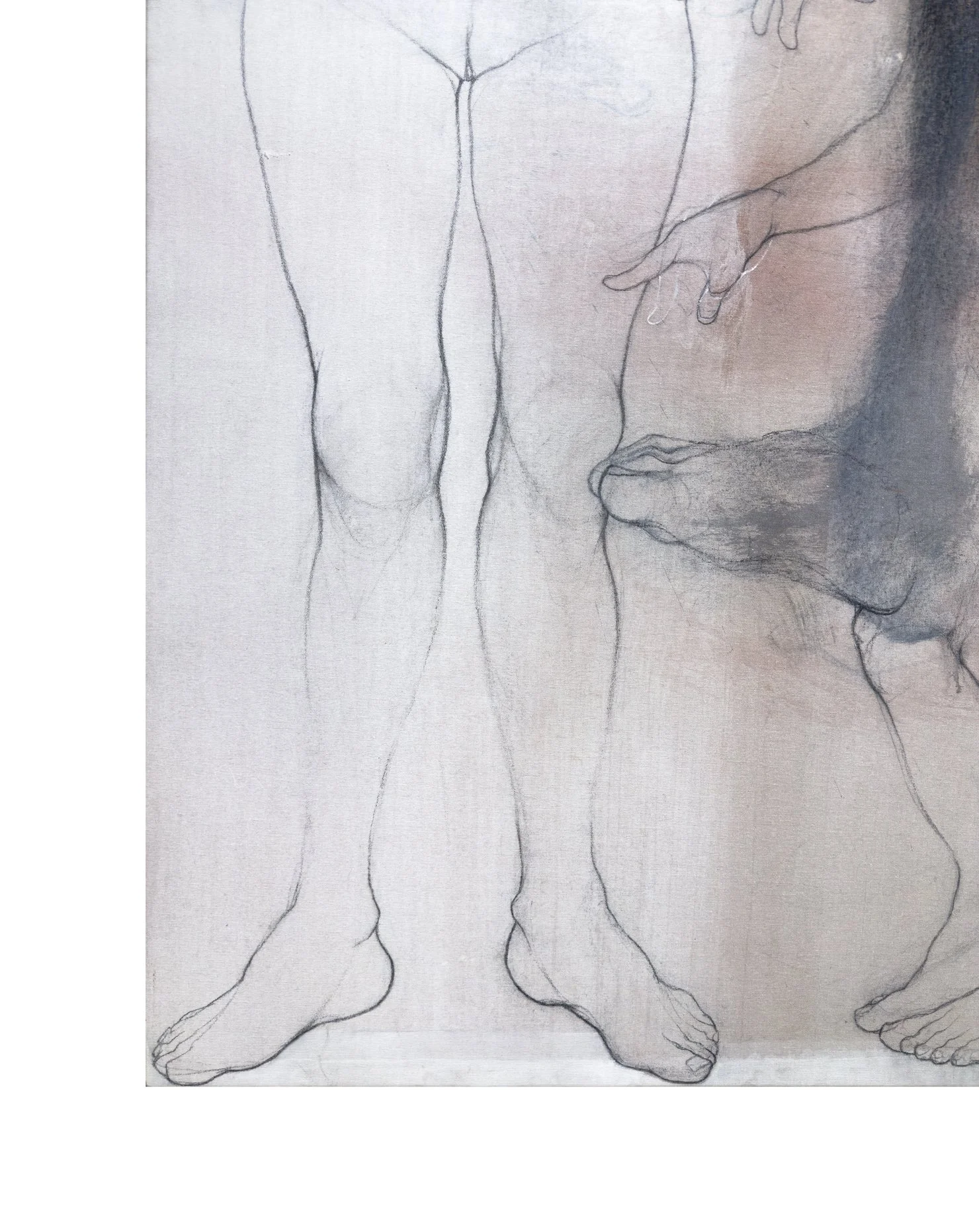 Image 4 of 5
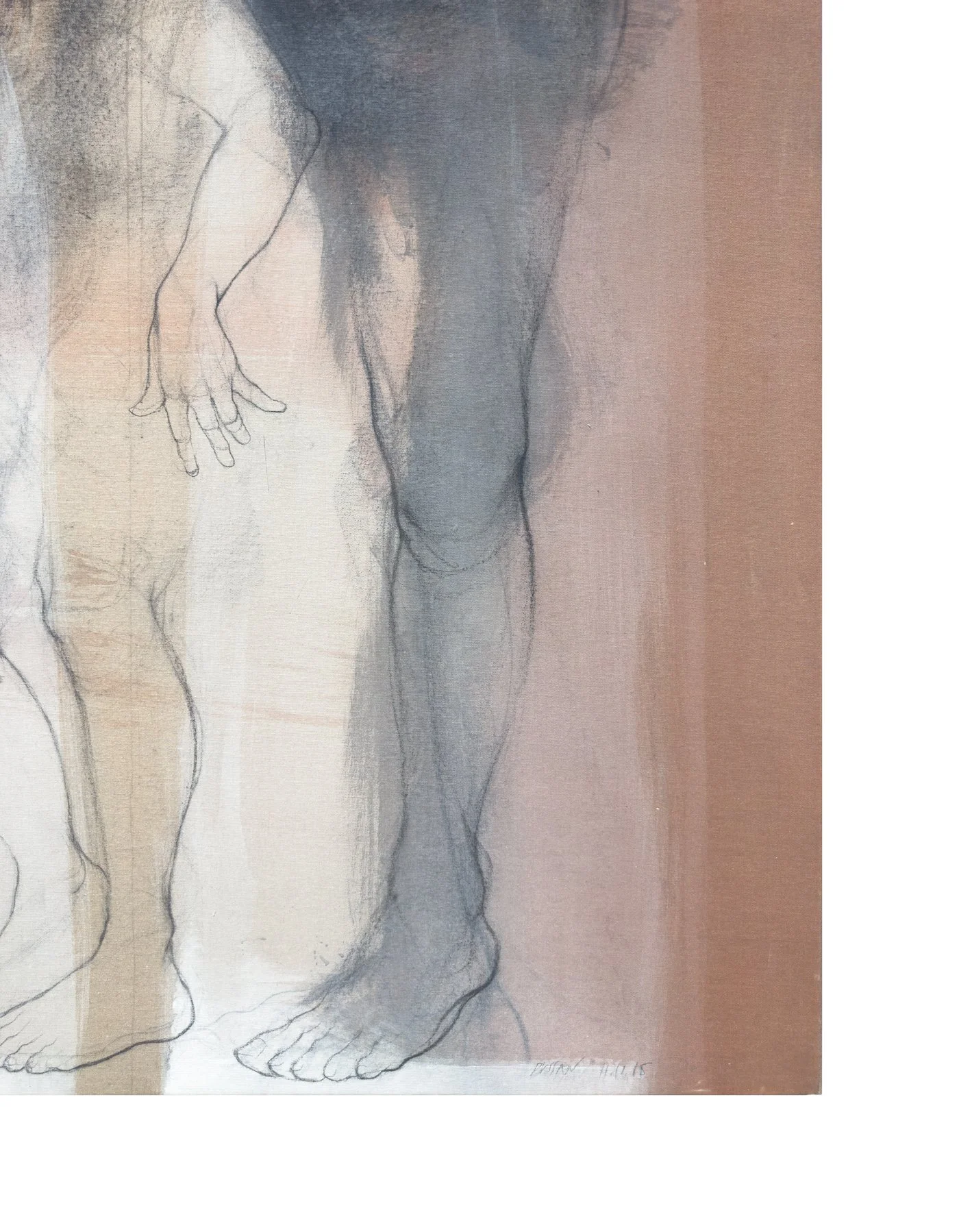 Image 5 of 5