Conquistando Libertades I (2023) is an original painting by Colombian artist Rafael Dussan, made with acrylic and charcoal on canvas, measuring 150 × 200 cm, available through Matiz Gallery in Barcelona. Drawing and the human body are central to Dussan’s practice. Here, two nude Afro-descendant women occupy the left side of the composition, while a mangrove extends across the right. Fine lines, translucent layers and warm earth tones give the scene a quiet, mysterious atmosphere.
The mangrove places the work within a recognisable Caribbean landscape. These coastal forests support fishing and provide resources that sustain surrounding communities. Knowledge of their waters, seasonal changes and species forms part of the practical understanding through which people inhabit and care for the territory. In Colombia’s Caribbean region, community management of mangroves continues to bring together livelihoods and conservation.
This relationship between people and water has a long regional history. In the floodplains of the Colombian Caribbean, Indigenous Zenú societies developed extensive networks of canals and camellones—raised agricultural beds. These systems directed floodwaters, retained moisture during dry periods and used river sediment to nourish crops. Built through generations of accumulated knowledge, they demonstrate sophisticated engineering and agricultural organisation. Although these floodplains are distinct from coastal mangroves, they belong to a wider history of learning to live with water and shape the territory through its cycles.
Territory also mattered in struggles against colonial slavery. Across the Colombian Caribbean, people escaping enslavement established palenques: communities that defended their freedom through settlement, food cultivation and networks of exchange. Maintaining autonomy involved knowing where to live, how to obtain food and how to organise relationships with neighbouring populations. Freedom depended on the material conditions that made an independent life possible.
These histories accompany the painting within Cuerpo y territorio (Body and Territory), the third exhibition in BASPcr, Matiz Gallery’s programme connecting art, intercultural exchange and research into the neighbourhood where the gallery operates. The exhibition asks visitors to consider the body as a means of expression and territory as the place, resources and structures of power that shape everyday life.
In Barcelona’s Sant Pere, Santa Caterina i la Ribera neighbourhood, the programme pays attention to how immigrant communities bring cultural practices, gestures and knowledge into the city. The body expresses this presence through movement, dance, dress and everyday encounters. Learning about territory means understanding the neighbourhood’s history, how it is governed and who makes decisions about the spaces and resources we share.
Within this exhibition, Conquistando Libertades I introduces a conversation about bodily freedom and the conditions needed to sustain it. The Caribbean histories surrounding the work bring knowledge, subsistence and collective organisation into that conversation. BASPcr carries these questions into the place where we live and work, using cultural exchange and territorial research to strengthen our capacity to act, resist and change our material circumstances.
Conquistando Libertades I (2023) is an original painting by Colombian artist Rafael Dussan, made with acrylic and charcoal on canvas, measuring 150 × 200 cm, available through Matiz Gallery in Barcelona. Drawing and the human body are central to Dussan’s practice. Here, two nude Afro-descendant women occupy the left side of the composition, while a mangrove extends across the right. Fine lines, translucent layers and warm earth tones give the scene a quiet, mysterious atmosphere.
The mangrove places the work within a recognisable Caribbean landscape. These coastal forests support fishing and provide resources that sustain surrounding communities. Knowledge of their waters, seasonal changes and species forms part of the practical understanding through which people inhabit and care for the territory. In Colombia’s Caribbean region, community management of mangroves continues to bring together livelihoods and conservation.
This relationship between people and water has a long regional history. In the floodplains of the Colombian Caribbean, Indigenous Zenú societies developed extensive networks of canals and camellones—raised agricultural beds. These systems directed floodwaters, retained moisture during dry periods and used river sediment to nourish crops. Built through generations of accumulated knowledge, they demonstrate sophisticated engineering and agricultural organisation. Although these floodplains are distinct from coastal mangroves, they belong to a wider history of learning to live with water and shape the territory through its cycles.
Territory also mattered in struggles against colonial slavery. Across the Colombian Caribbean, people escaping enslavement established palenques: communities that defended their freedom through settlement, food cultivation and networks of exchange. Maintaining autonomy involved knowing where to live, how to obtain food and how to organise relationships with neighbouring populations. Freedom depended on the material conditions that made an independent life possible.
These histories accompany the painting within Cuerpo y territorio (Body and Territory), the third exhibition in BASPcr, Matiz Gallery’s programme connecting art, intercultural exchange and research into the neighbourhood where the gallery operates. The exhibition asks visitors to consider the body as a means of expression and territory as the place, resources and structures of power that shape everyday life.
In Barcelona’s Sant Pere, Santa Caterina i la Ribera neighbourhood, the programme pays attention to how immigrant communities bring cultural practices, gestures and knowledge into the city. The body expresses this presence through movement, dance, dress and everyday encounters. Learning about territory means understanding the neighbourhood’s history, how it is governed and who makes decisions about the spaces and resources we share.
Within this exhibition, Conquistando Libertades I introduces a conversation about bodily freedom and the conditions needed to sustain it. The Caribbean histories surrounding the work bring knowledge, subsistence and collective organisation into that conversation. BASPcr carries these questions into the place where we live and work, using cultural exchange and territorial research to strengthen our capacity to act, resist and change our material circumstances.

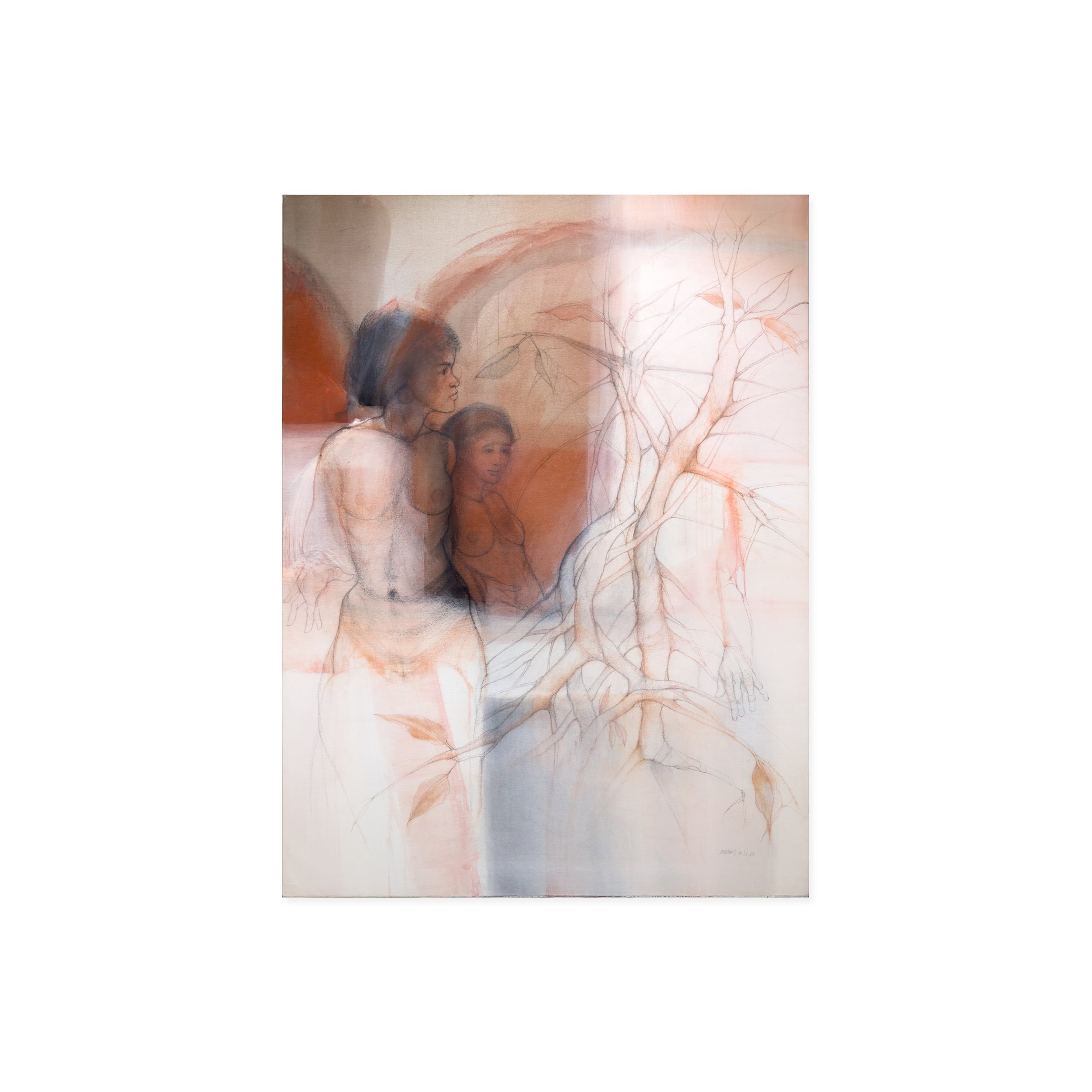 Image 1 of 7
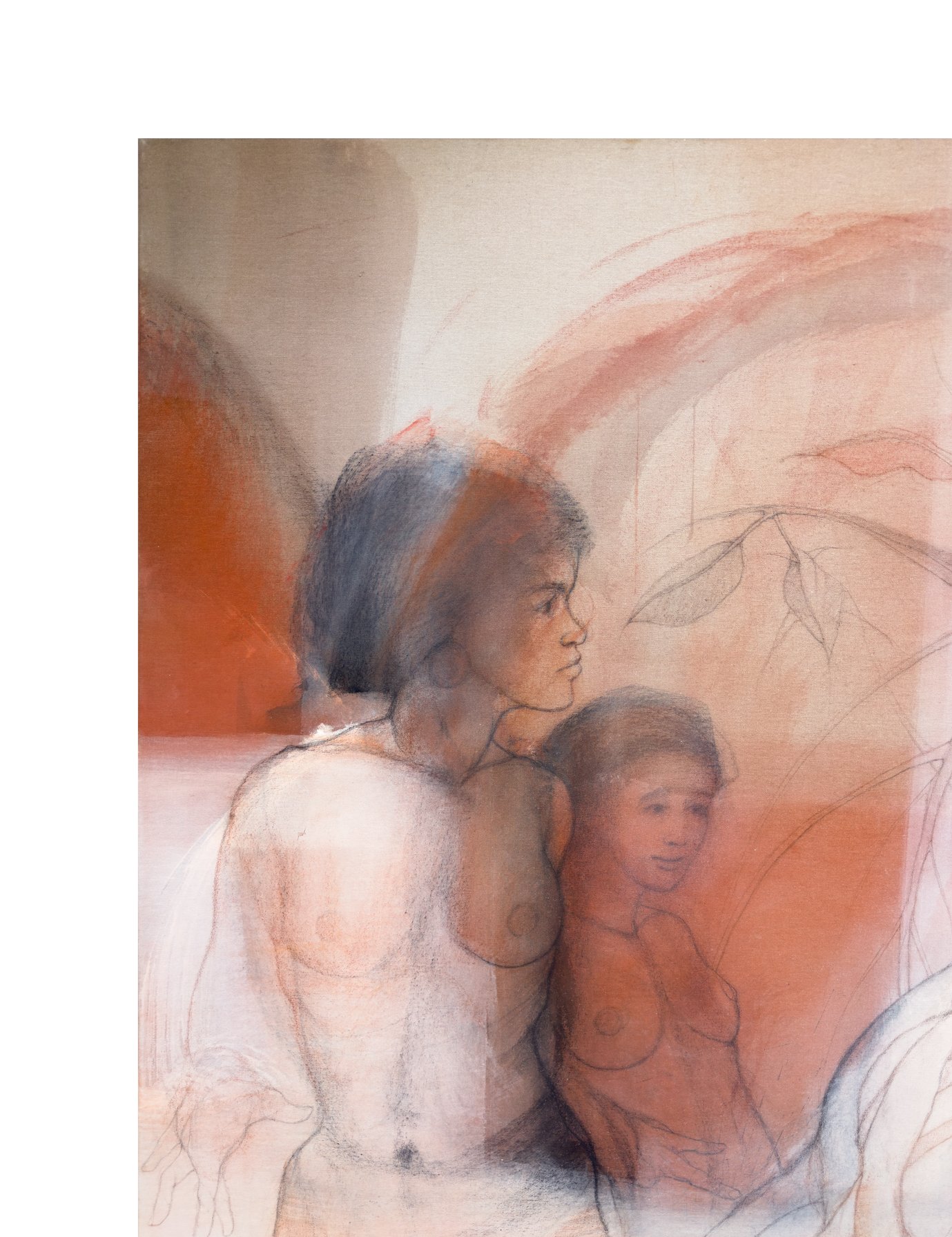 Image 2 of 7
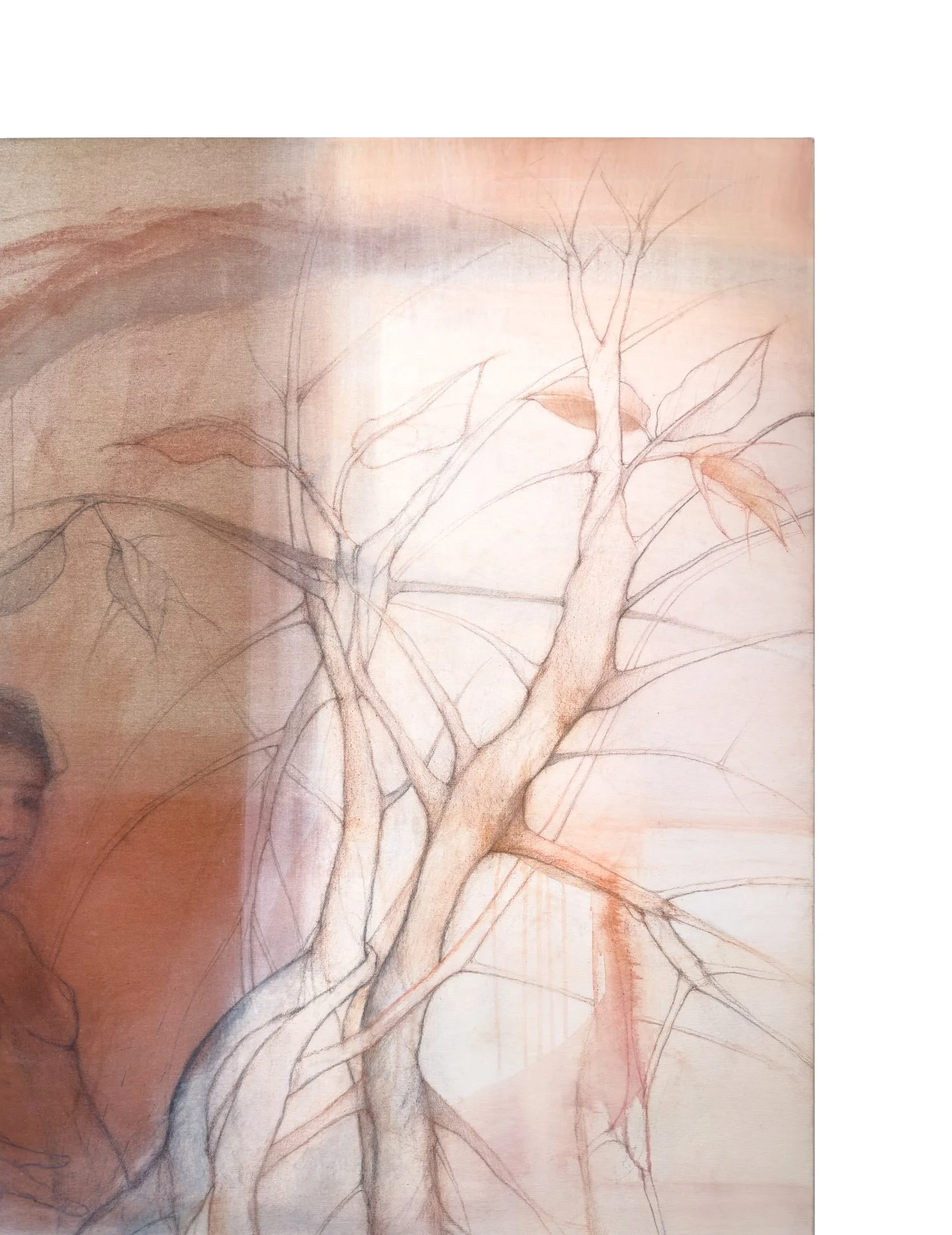 Image 3 of 7
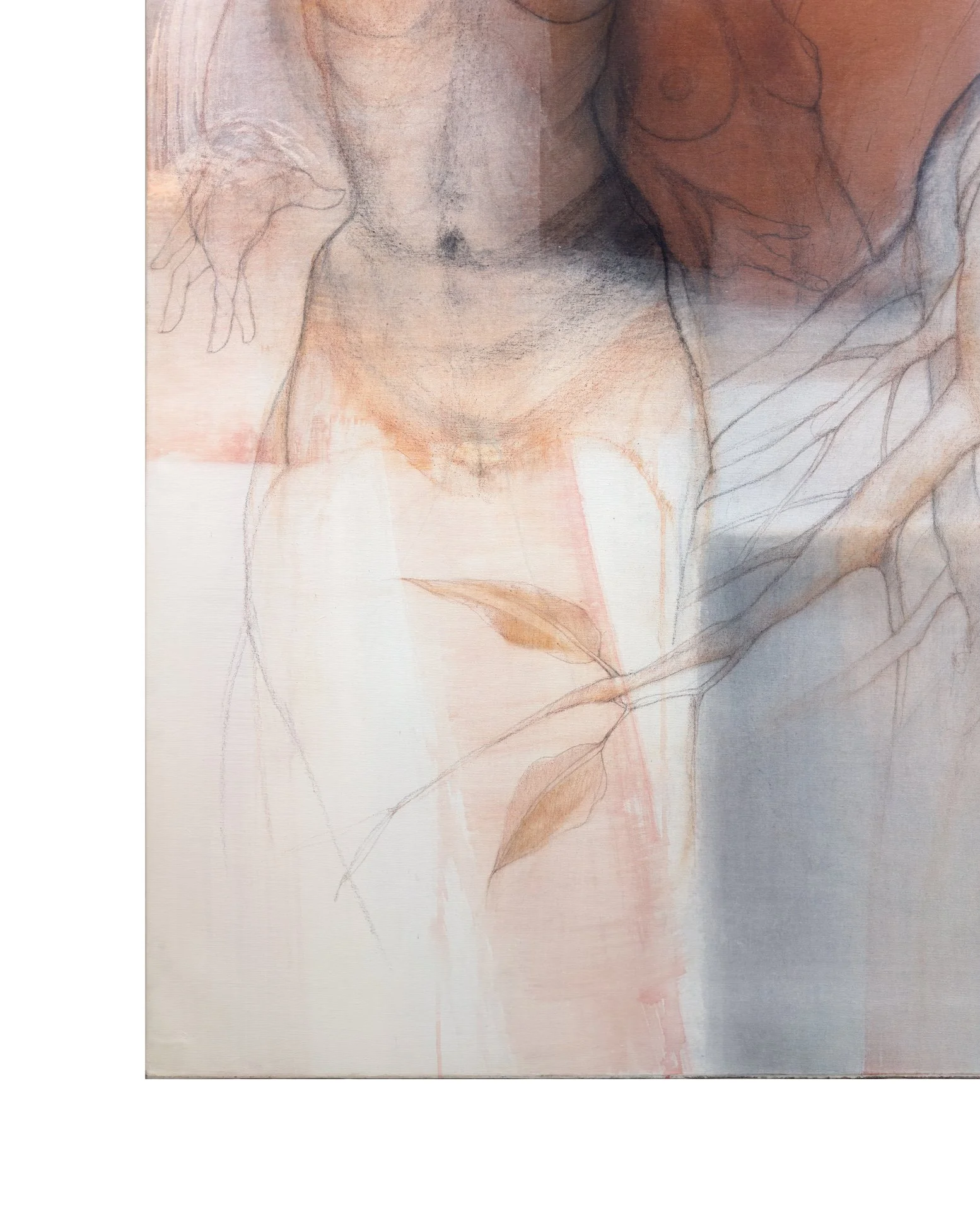 Image 4 of 7
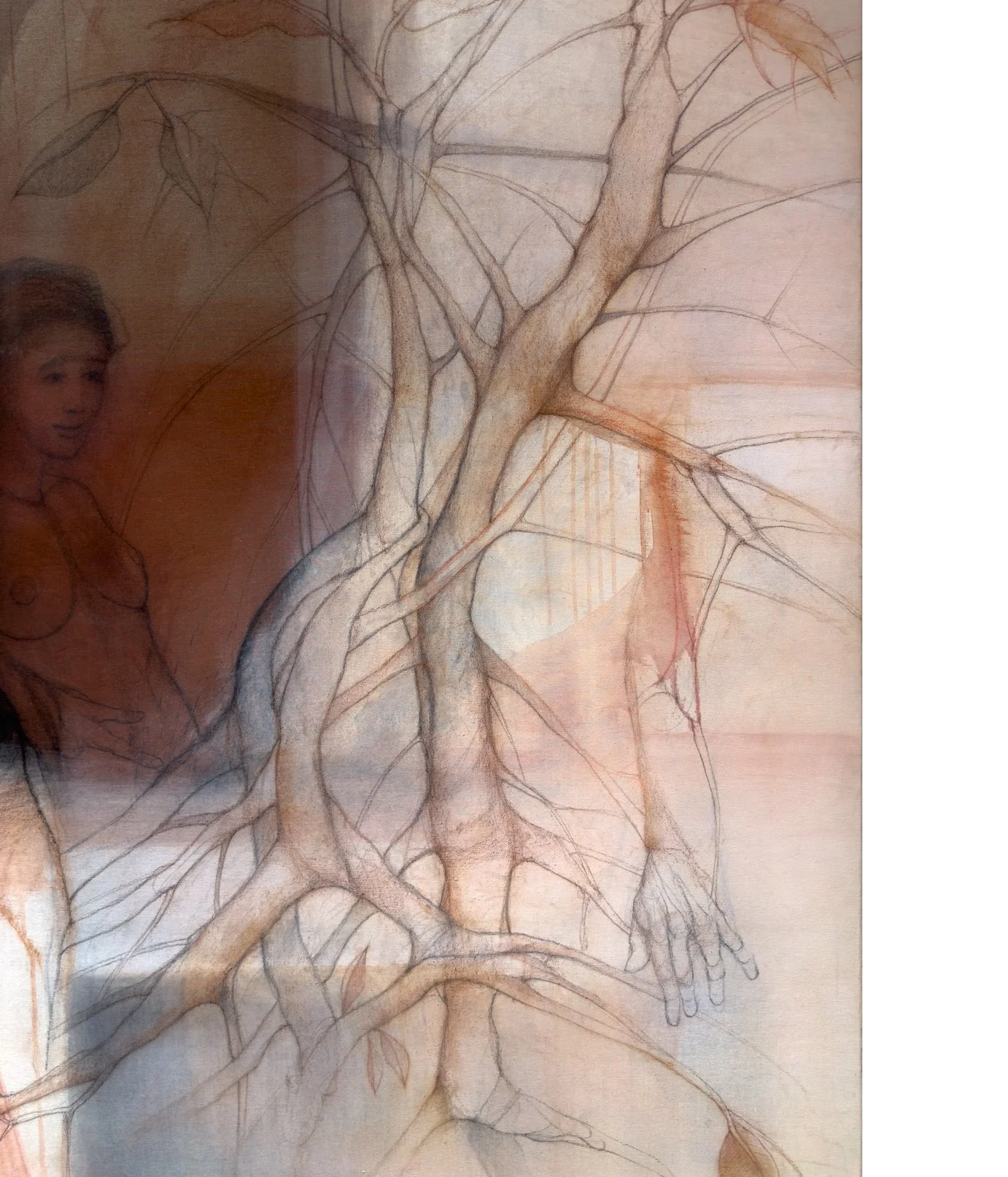 Image 5 of 7
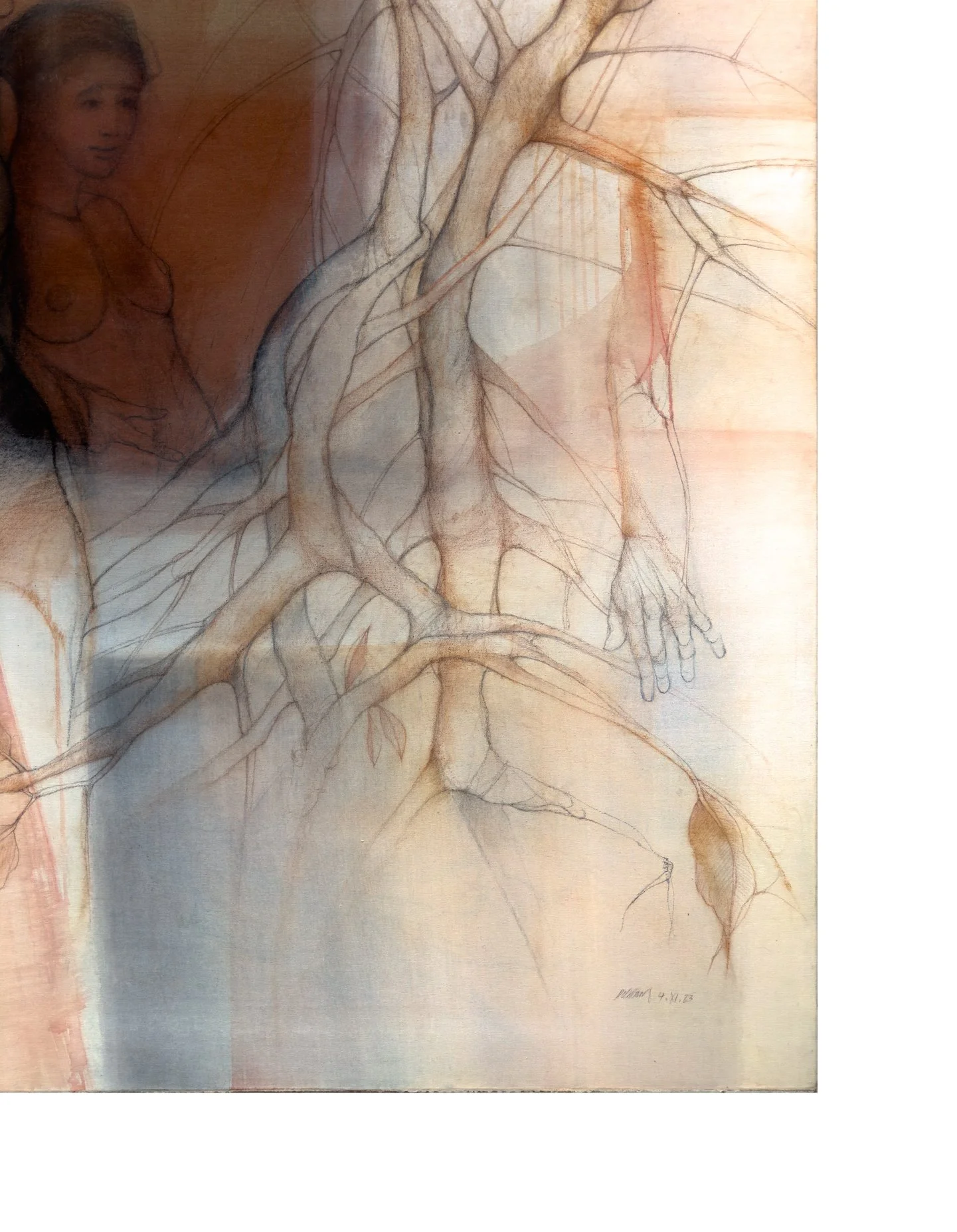 Image 6 of 7
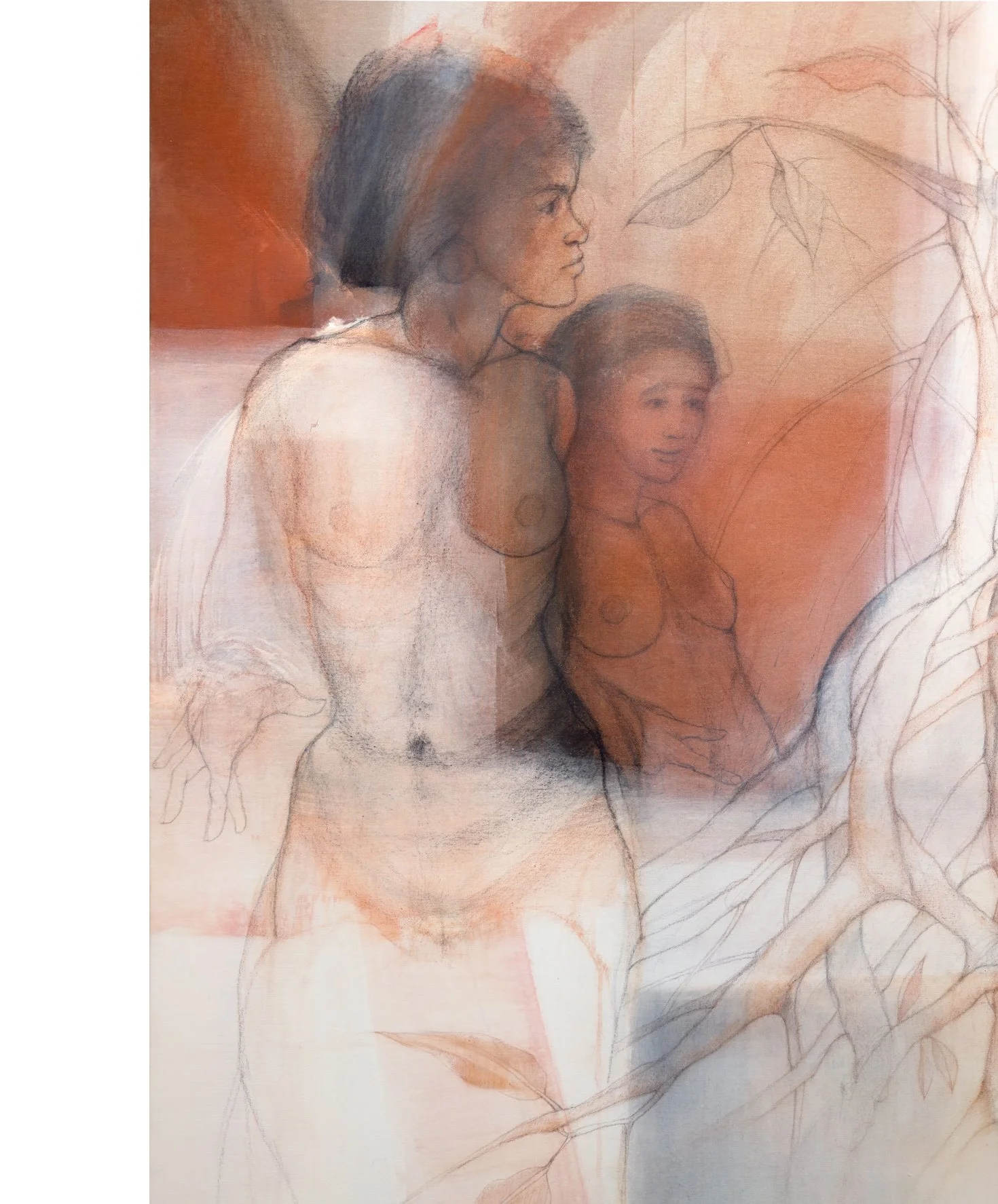 Image 7 of 7