
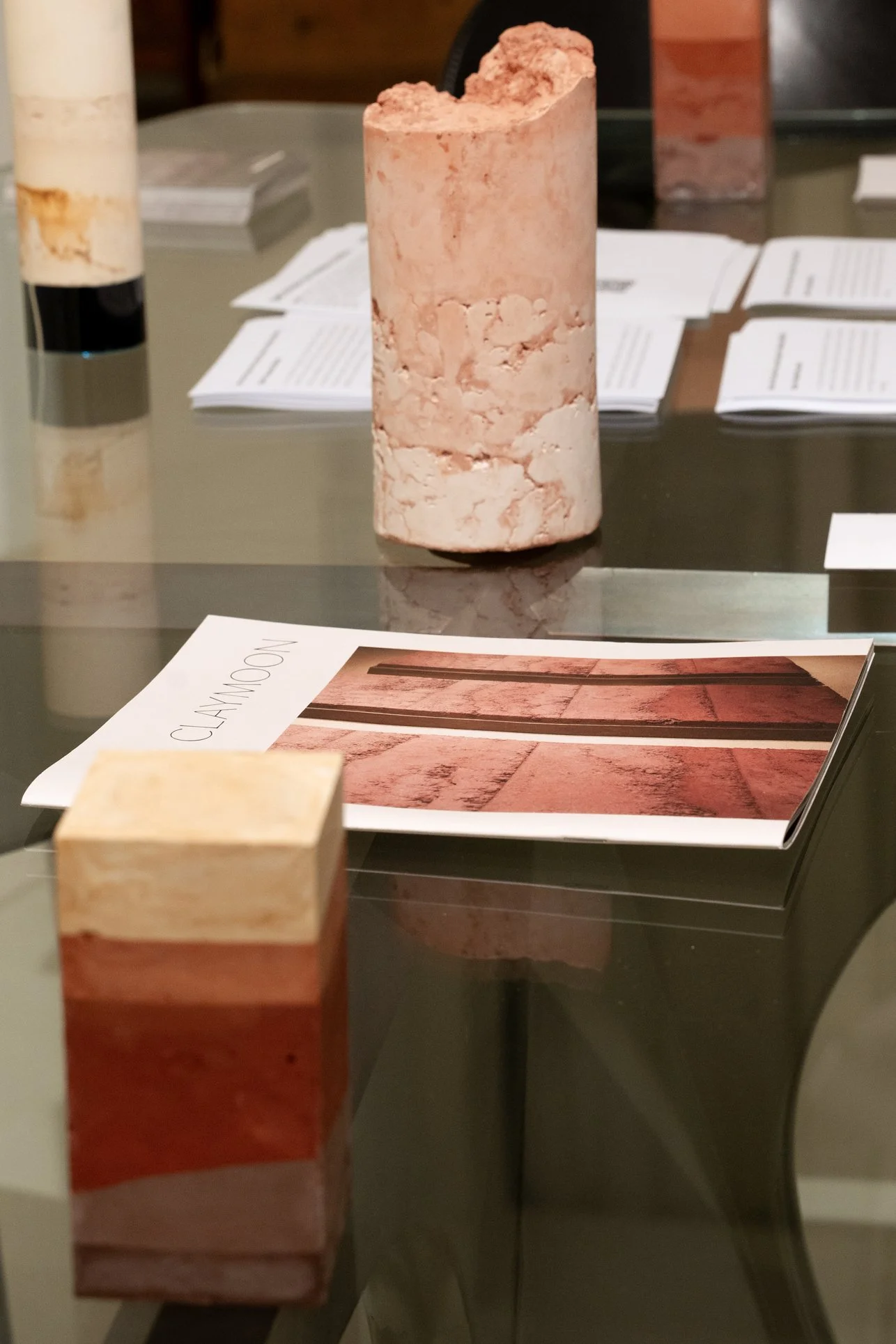
Opening: Friday, March 27, 2026 at 7 PM
Matiz Gallery presents BASPcr Table II – Material Encounter, a group exhibition bringing together artists whose practices are rooted in materials with deep artisanal and vernacular connections. Unfired clay carries techniques from earthen building traditions—layered and compressed by hand in ways that precede modern construction. Coffee, transformed into pigment through slow decanting, ties the work to natural processes of extraction and waiting. Plaster and gypsum, worked before they set, demand presence. These are not neutral surfaces. They carry knowledge of how things were made before speed became a goal. The abstraction that emerges from them is not intellectual or detached. It is grounded: a slow abstraction that holds the trace of the hand, the time of making, and an echo of the natural world it comes from.
Material Encounter arrives at a moment when Barcelona is reengaging with its material traditions—from the hand-laid mosaics of its modernist streets to the emergence of new vernacular architecture. The exhibition enters this conversation from within contemporary abstraction, asking what happens when vernacular knowledge becomes painting.
The exhibition brings together works by Adam Weismann (Claymoon), Alexandre Clanis, Alberto Ruiz Villar, and Jordi Artigas, each approaching material from a distinct angle.
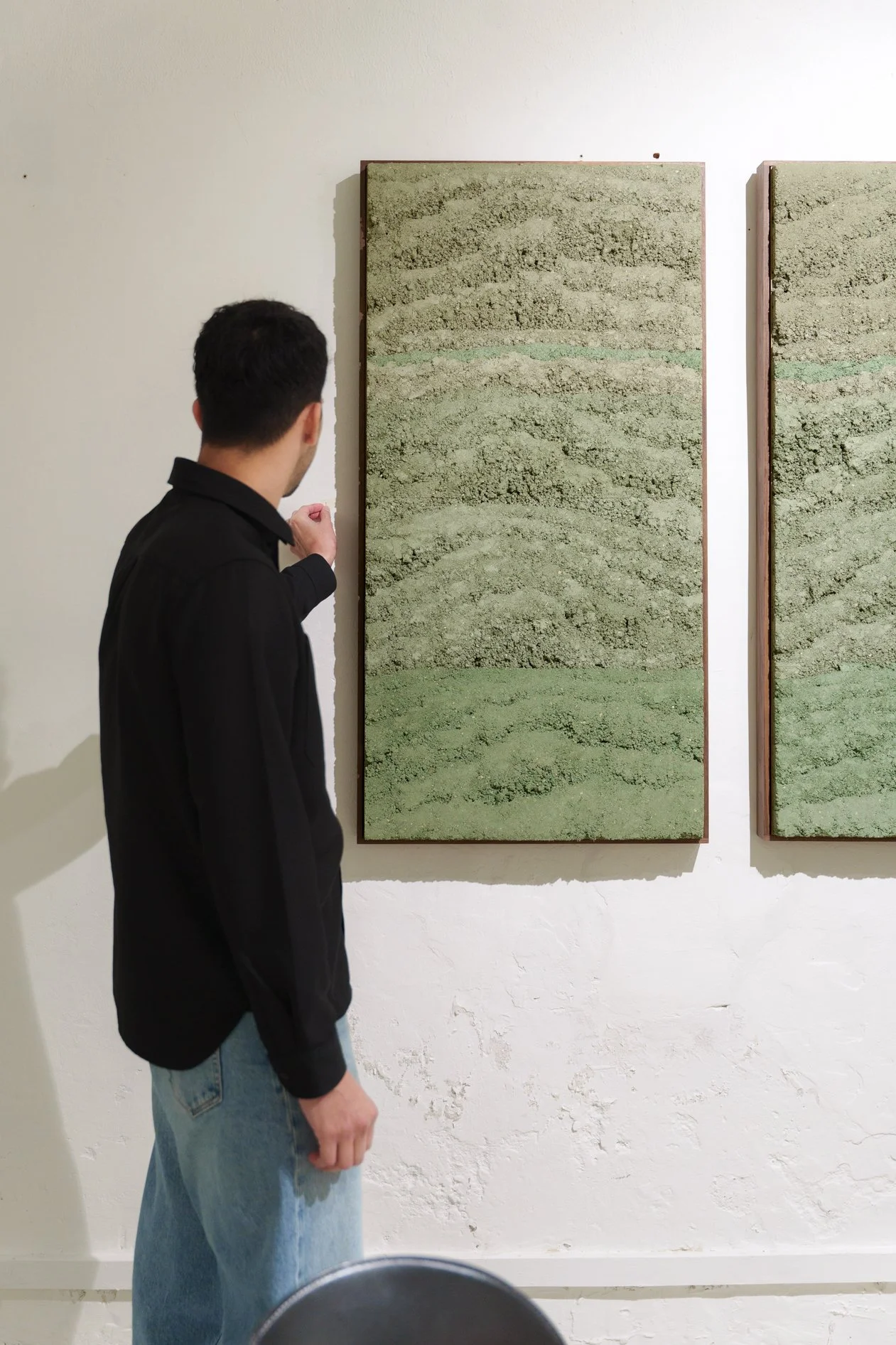
At the center of the exhibition, Adam Weismann's unfired clay panels are constructed through compression and stratification. The surface retains visible traces of its making, revealing the connection between how the work is built and how it is seen. In dialogue with this material presence, Jordi Artigas develops works where gesture activates the pictorial plane; Alexandre Clanis explores repetition and large-scale works on industrial supports; and Alberto Ruiz Villar builds layered compositions where the stratification of acrylic and plaster becomes the composition itself.
Curated Encounter
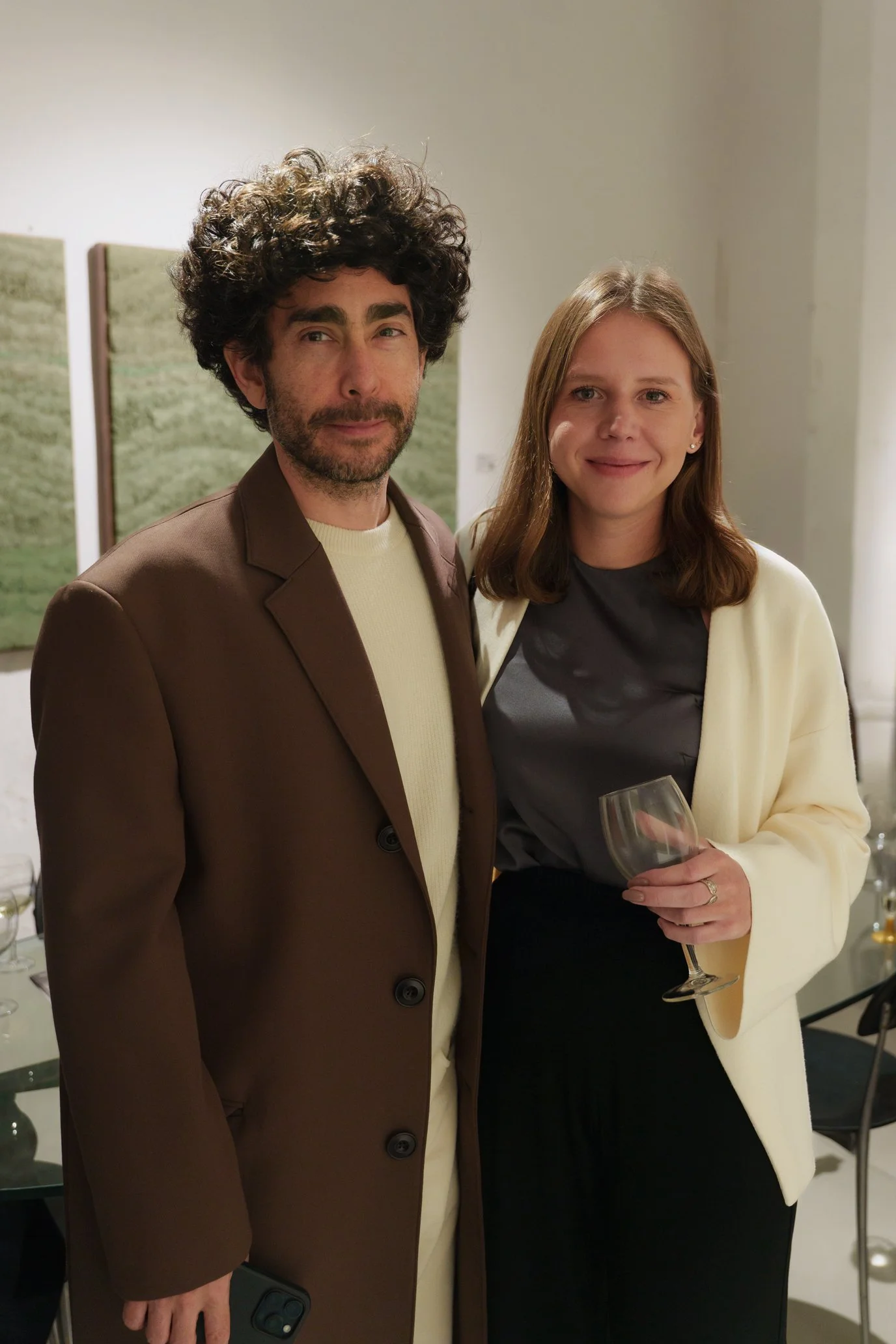
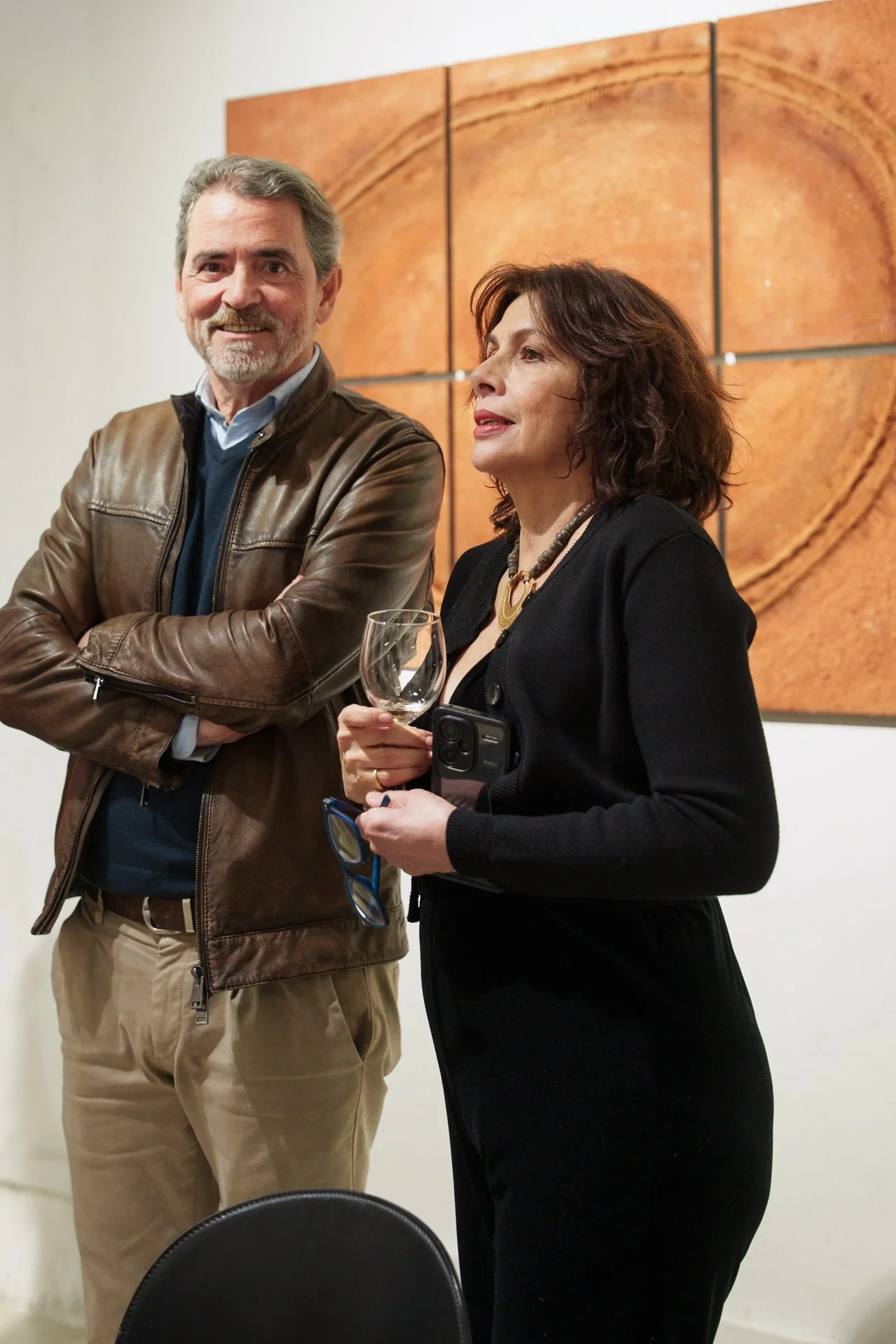
As part of the BASPcr framework, the exhibition will incorporate a small-scale curated encounter on opening night, Friday, March 27, 2026 at 7 PM. The gathering will bring together invited guests from the fields of art, architecture, design, and local cultural institutions to introduce the exhibition and open a conversation on material practices across different disciplines.
About BASPcr
BASPcr is a cultural laboratory initiated by Matiz Gallery that conceives the exhibition as a tool for territorial activation and intercultural collaboration. Rooted in the Sant Pere, Santa Caterina i la Ribera neighborhood, the program develops an expanded exhibition model in which each show fosters dialogue between artists, institutions, and local and international agents. BASPcr is supported by the Institut de Cultura de Barcelona (ICUB) and collaborates with European partners including HafenCity Universität Hamburg, Aea Culture Initiative, and 48 Stunden Neukölln. The project has been developed in collaboration with these partners within the framework of the Creative Europe program, for which a joint application was submitted for the 2025–2026 call.
Bureau mud

bureau mud is a creative practice founded in Barcelona in 2025 by Maria Uporova. The studio specializes in art direction within the architectural field, designing bespoke spaces and experiences that merge interior architecture with creative direction. With an artistic approach at its core, bureau mud develops projects from visual concept to execution, always focused on crafting thoughtfully designed environments that balance functionality and expression. Although based in Barcelona, the practice works internationally, bridging architecture, design, and art.
Maria Uporova
Maria Uporova is an architect and creative director with over five years of experience at Ricardo Bofill Taller de Arquitectura before establishing bureau mud. At Bofill’s studio, she contributed to projects such as ECO Hotel (Portugal), Vallformosa Winery (Spain), and international commissions in Albania and the US. She has also collaborated on independent projects, including The Fissure in Iceland (shortlisted in the YAC competition) with Juan Ramirez and Robert Mikaielian. Through bureau mud, she channels her architectural background into art direction and interior design, with a vision rooted in artistic sensitivity, narrative-driven design, and global reach.